
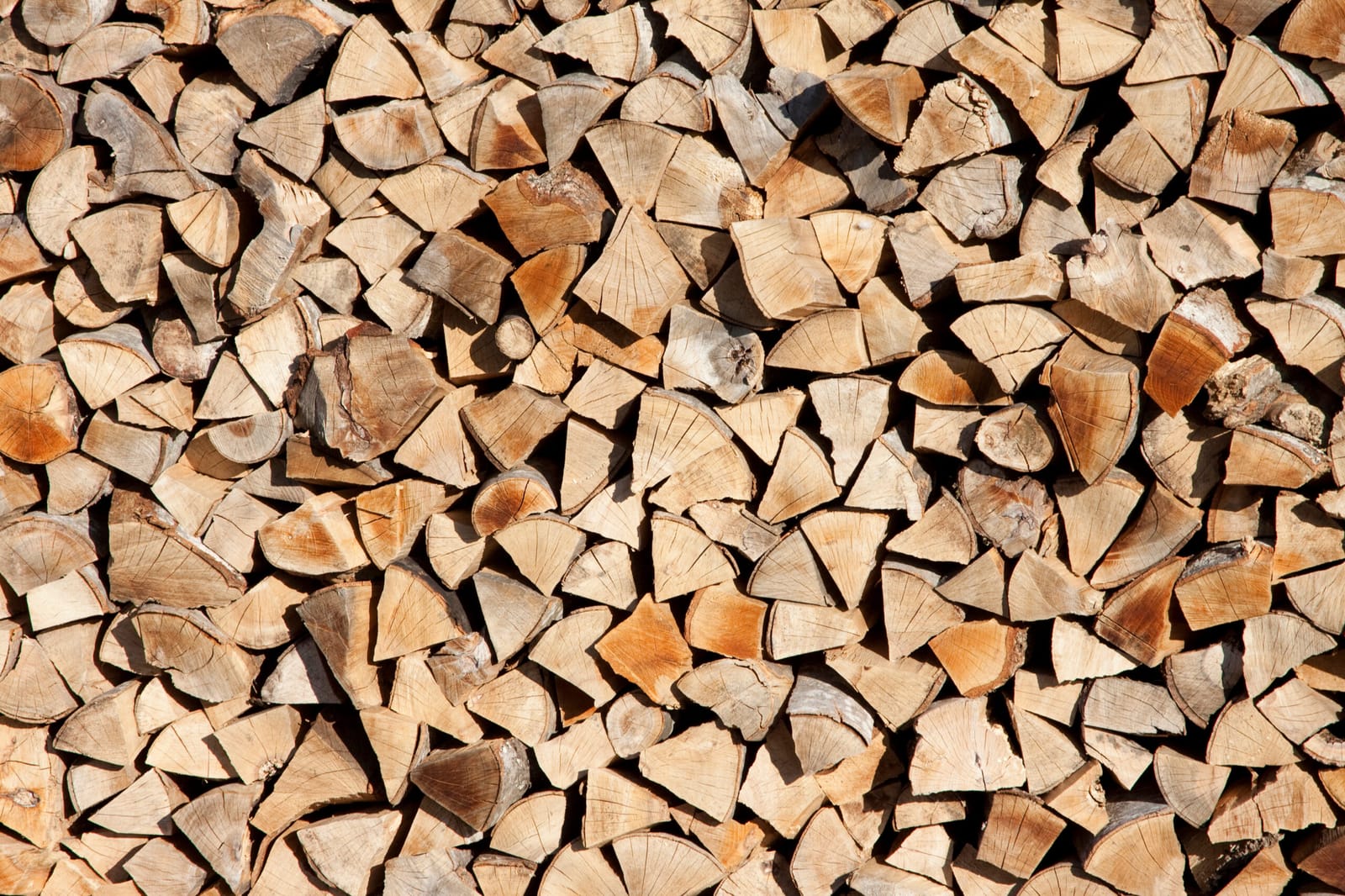
Dry wood burns hotter, cleaner, and safer. A practical guide to seasoning and stacking firewood for a Montana winter.
When it comes to surviving a Montana winter, few things are as essential as a reliable source of heat. For those of us living in Paradise Valley and surrounding areas, having a well-stocked supply of seasoned firewood is not just a convenience—it's a necessity. Dry, seasoned wood burns hotter, cleaner, and more efficiently, providing the warmth and comfort needed to make it through the chilly months. In this guide, we'll delve into the practical steps for properly seasoning and storing firewood to ensure it's ready to keep your home toasty all winter long.
Understanding the Importance of Seasoned Firewood
Seasoned firewood is wood that has been allowed to dry out enough to burn efficiently. The drying process reduces the moisture content of the wood, which is crucial for several reasons. First and foremost, dry wood produces more heat. This is particularly important in places like Emigrant or Gardiner, where temperatures can drop drastically. Burning wood with high moisture content results in less heat output, meaning you’ll need to burn more wood to keep your space warm.
In addition to better heat production, seasoned wood burns cleaner. Wet wood tends to smoke more, leading to creosote buildup in chimneys, which can be a fire hazard. The cleaner burn means less maintenance and a safer home heating experience. Finally, seasoned wood is easier to light and keep burning, saving you both time and frustration on those cold mornings.
Key Factors in Seasoning Firewood
Selecting the Right Wood
The species you're seasoning changes the timeline. In Montana that generally means Douglas fir, lodgepole pine, spruce, and sometimes cottonwood. Denser fir takes longer to dry but rewards you with a longer burn; lodgepole and spruce season comparatively fast, especially split small. Cottonwood dries quickly but burns through in a hurry, so it's best kept for kindling and shoulder-season fires. Whatever you have, split it and stack it with airflow — that does more for dryness than the species ever will.
Proper Cutting and Splitting
Once you’ve selected the right type of wood, it’s time to cut and split it. Firewood should be split to a size that fits comfortably in your wood stove or fireplace. Typically, logs are cut to lengths of 16 to 18 inches, but this can vary based on your specific needs. Splitting the wood increases the surface area, allowing for faster drying. Use a sturdy axe or a mechanical splitter for efficiency and safety.
Timing and Duration
Seasoning firewood effectively requires time. Ideally, wood should be seasoned for at least six months, with a year being optimal. The seasoning time can vary depending on the wood species and the initial moisture content. In Montana, it’s best to start cutting and stacking your wood in the spring or early summer to ensure it’s ready for the first frost. Keep in mind that the local climate, with its dry summers, is generally favorable for the seasoning process.
Best Practices for Storing Firewood
Choosing the Right Location
Location is key when storing firewood. You'll want a spot that gets plenty of sunlight and has good air circulation. Avoid placing your woodpile directly on the ground, as this can introduce moisture and slow down the drying process. Instead, use pallets or a simple wood rack to elevate the wood off the ground. In areas like Big Sky or Bozeman, where snow can accumulate quickly, having a covered storage area is beneficial.
Stacking Techniques
Proper stacking is essential for good air flow and efficient drying. Stack wood bark-side up to shed water, and leave gaps between the logs for air to circulate. A common mistake is creating tightly packed stacks, which trap moisture and slow down seasoning. Consider stacking your firewood in a single row, or in a criss-cross pattern known as a Holz Hausen, which encourages even drying.
Covering Your Woodpile
While exposure to the elements helps with the drying process, it’s crucial to protect your woodpile from excessive moisture. A simple tarp or custom-fitted cover works well, but ensure that the sides of the pile remain exposed to allow for air flow. In the Shields Valley, where wind and snow can be significant, securing your cover properly is essential.
Seasonal Considerations for Montana Winters
Montana's winters can be harsh and unpredictable. It's essential to be prepared by having your firewood ready in advance. Start your firewood preparations early in the year to beat the rush and to ensure your wood is fully seasoned. For residents in Livingston and Clyde Park, knowing when to transition from stockpiling to using your firewood by keeping an eye on the first frost dates can help manage your heating needs efficiently.
Common Mistakes to Avoid
One of the most common mistakes is underestimating the amount of wood needed for the winter. Most homes will use between two to six cords of wood, depending on the size of the home and the severity of the winter. Another mistake is stacking wood too tightly, which can lead to poor drying and mold growth. Additionally, storing wood inside the home or in an attached garage can attract pests, so always store your wood outside until it’s ready to use.
Ordering and Delivery Options
Paradise Valley Timber Co. offers convenient firewood delivery services to ensure you have enough seasoned wood to last through the winter. Whether you need a single cord or multiple, you can request current pricing and call for availability. Delivery depends on order size and location, but larger orders may qualify for discounted delivery, making it a practical choice for stocking up your winter supply. Pickup options are also available for those who prefer to transport the wood themselves.
Frequently Asked Questions
How do I know if my firewood is fully seasoned?
Look for visual cues like cracks in the ends of the logs and a dull, grayish color. Seasoned wood should feel lighter in weight compared to freshly cut wood. A moisture meter can also be used to check that it's below 20% moisture content.
Can I season wood during the winter?
While it’s possible to season wood during the winter, it's not ideal due to the lack of consistent heat and sunlight needed for effective drying. It is best to start the seasoning process in the warmer months for optimal results.
Is it okay to burn unseasoned wood in an emergency?
In an emergency, burning unseasoned wood may be necessary, but it’s not recommended for regular use. It produces less heat and more creosote, which can be dangerous. It's important to have seasoned wood ready for regular use.
How much wood should I order for the winter?
The amount of wood needed depends on your specific heating requirements. Most homes in Montana use between two to six cords per winter. Consider factors like home size, insulation, and personal heating preferences when deciding on your order.
For residents in Southwest Montana and beyond, ensuring you have a stockpile of properly seasoned and stored firewood is vital for a safe and warm winter. If you're ready to stock up, contact Paradise Valley Timber Co. at 406-404-7501 to request a quote and organize your delivery. Our team is here to help you make the most of the Montana winter with reliable, quality firewood.
Questions about your project? Call 406-404-7501 or request a quote.